
The history of video games has always been a pursuit of escapism. From the pixelated paddles of Pong to the photorealistic landscapes of modern open-world RPGs, the goal has remained consistent: to transport the player to another world. However, for the last forty years, a glass barrier has remained. No matter how high the resolution or how fast the frame rate, players have essentially been outsiders looking in, peering through a rectangular window into a digital universe.
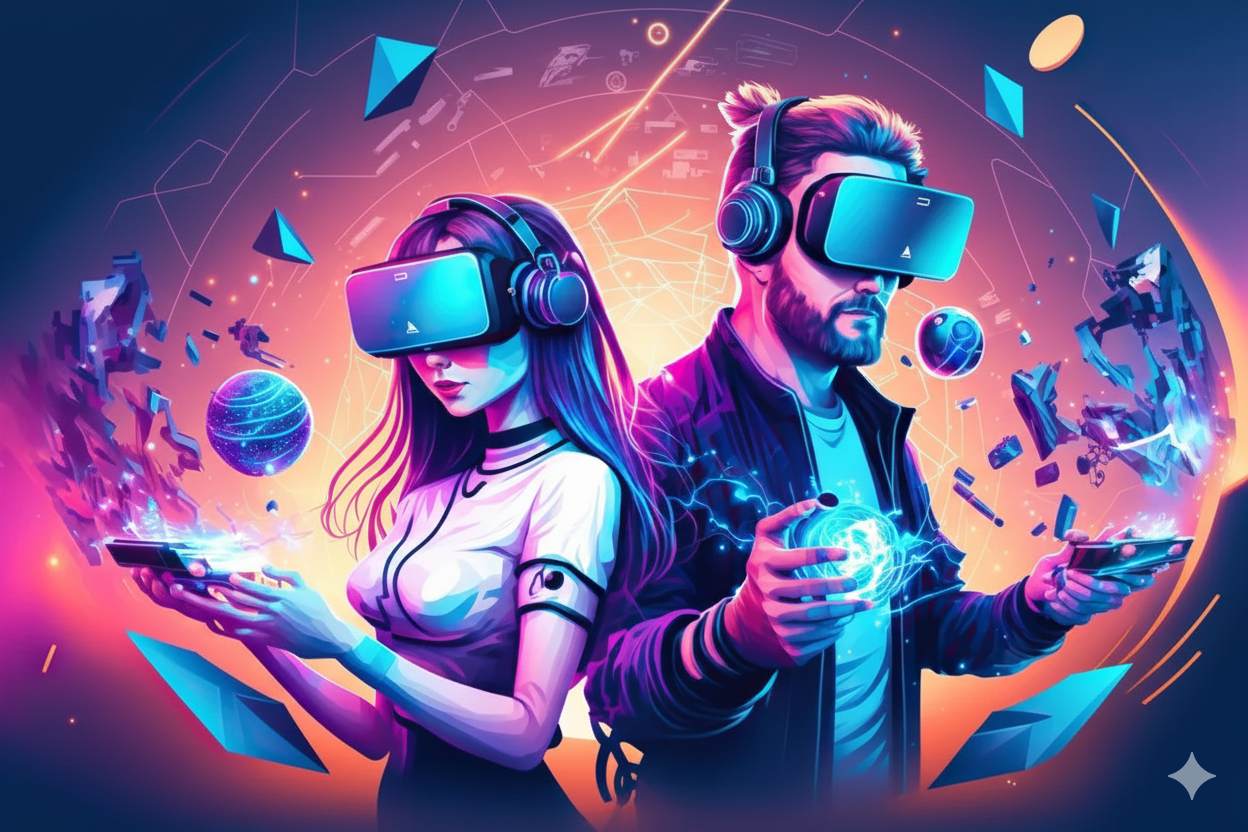
Today, that barrier is shattering. Extended Reality (XR) - the umbrella term that encompasses Virtual Reality (VR), Augmented Reality (AR), and Mixed Reality (MR)—is not just a hardware upgrade; it is a fundamental rewriting of the rules of play. By blending the physical and digital, XR is shifting the metric of success from "playtime" to "presence," creating a level of engagement that flat screens simply cannot replicate.
The Psychology of Presence
The most profound shift XR introduces is the psychological sensation of "presence." In traditional gaming, suspension of disbelief requires active mental effort. You must ignore the controller in your hand and the room in your peripheral vision to focus on the screen.
In XR, this suspension of disbelief happens almost involuntarily. When a player puts on a headset, the screen becomes their entire reality. This tricks the brain’s vestibular and proprioceptive systems into accepting the virtual world as the "real" immediate environment. When you stand on a virtual ledge in a VR game, your stomach drops not because you chose to roleplay fear, but because your lizard brain genuinely believes you are about to fall.
This visceral connection changes the emotional stakes of engagement. Horror games become terrifyingly personal; narrative dramas feel like lived memories rather than watched movies. This depth of immersion leads to a "flow state" that is much easier to achieve and harder to break, resulting in shorter but far more intense gaming sessions that leave a lasting psychological footprint.
Embodied Interaction: You Are the Controller
For decades, gaming engagement was filtered through abstraction. To swing a sword, you pressed 'X'. To jump, you pressed 'A'. This layer of translation separated the player’s intent from the avatar’s action.
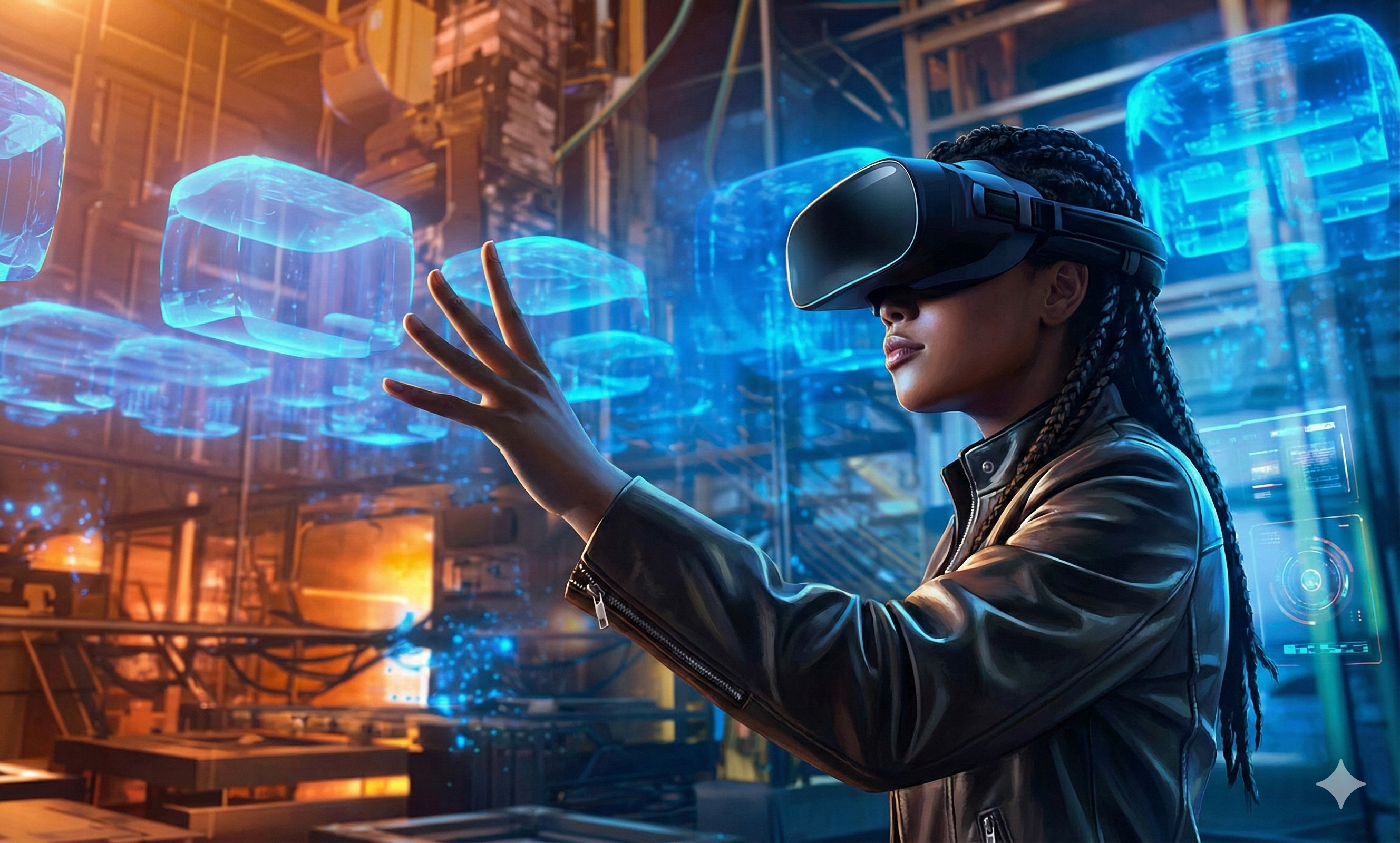
XR is redefining engagement by removing this abstraction. Through advanced hand-tracking, eye-tracking, and motion controls, the player’s physical body becomes the interface. This is known as "embodied interaction." When you want to reload a weapon in a high-fidelity VR shooter, you don't tap a button; you physically reach to your belt, grab a magazine, and insert it into the weapon.
This physicality creates a unique feedback loop. It demands focus and coordination, turning passive entertainment into active participation. Furthermore, the integration of haptic feedback technology—vests that simulate impact or gloves that simulate resistance—adds a tactile layer to the experience. Players are no longer just seeing and hearing the game; they are feeling it. This multi-sensory engagement grounds the player in the digital world, making virtual objects feel tangible and consequential.
Spatial Gaming: The Living Room as a Level
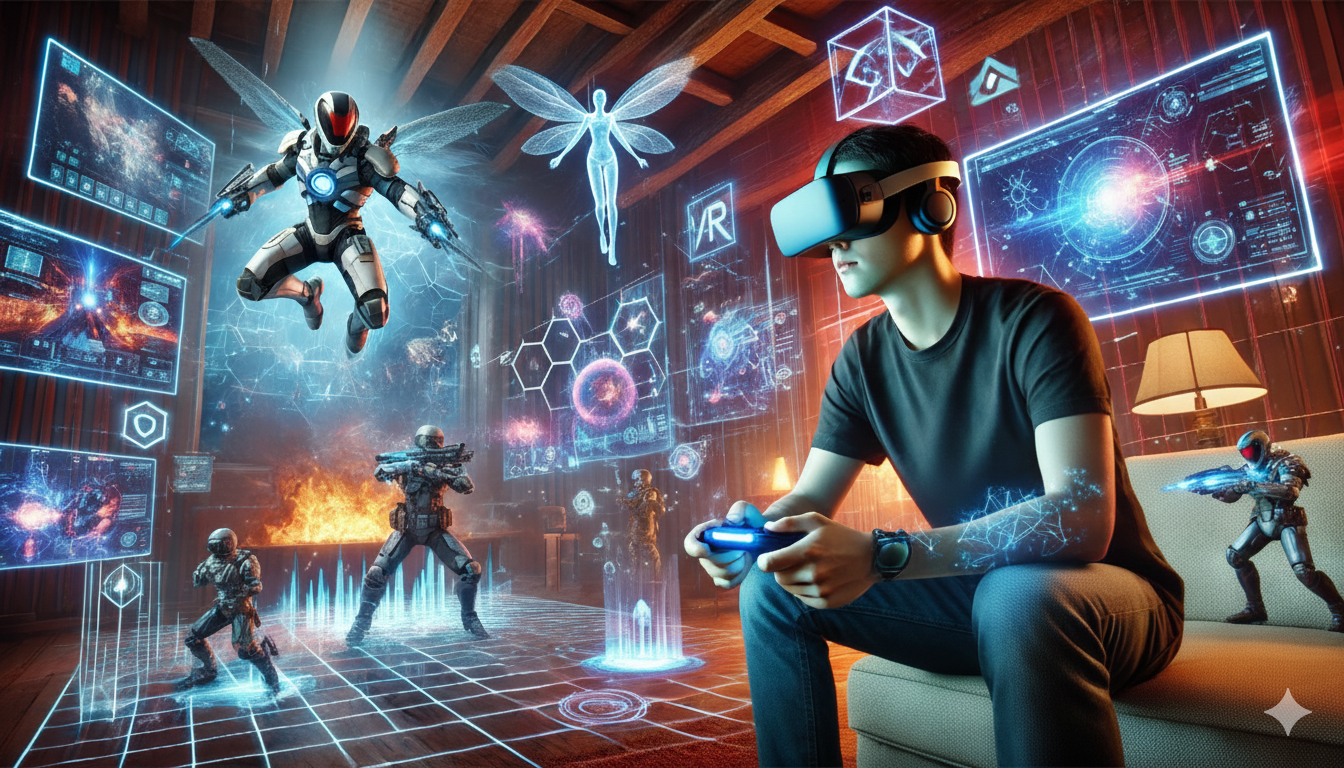
While VR transports you to a new world, Mixed Reality (MR) brings the game into yours. This is the frontier of "Spatial Computing," and it is perhaps the most disruptive element of XR engagement.
Using passthrough technology (cameras that digitize the real world in real-time), modern headsets can map a player’s physical environment. This allows game developers to turn a living room into a dynamic level. Imagine a strategy game where the map unfolds on your actual coffee table, or a first-person shooter where enemies break through your real-world walls.
This redefines retention and accessibility. One of the biggest friction points of VR was isolation—being cut off from the real world. MR solves this by allowing players to remain present in their physical surroundings while engaging with digital content. It allows for "casual immersion," where a player can cook dinner while a virtual pet follows them around the kitchen, or play a board game with a remote friend that appears to be sitting on their actual sofa. By respecting the player's physical space, XR invites gaming to become a seamless layer of daily life rather than a separate, isolated destination.
Social Presence and the Death of Toxicity
Multiplayer gaming has long been a pillar of the industry, but it has arguably become impersonal, dominated by text chats and disembodied voices. XR is humanizing online interaction through "social presence."
In an XR environment, avatars mimic the player's actual head movements, hand gestures, and body language. If a player leans in to whisper or steps back in surprise, those movements are translated instantly to their avatar. This creates a sense of proximity and personal space that voice chat alone cannot convey.
Psychological studies suggest that this embodied presence increases empathy among players. It is harder to be toxic to someone when you feel physically near them, looking them in the "eye." This shift is fostering new types of gaming communities—spaces that are less about competition and more about shared experiences, from attending virtual concerts together to hanging out in digital lounges. It turns gaming from a transactional activity into a genuinely social one.
Conclusion
We are witnessing the early days of a transition as significant as the jump from 2D to 3D. XR is moving the industry away from the era of observation and into the era of habitation.
The future of gaming isn't just about better graphics or faster processors; it is about closing the gap between the player and the pixel. By leveraging the psychology of presence, the physicality of the body, and the context of our real-world environments, XR is creating a form of engagement that is deeper, more emotional, and fundamentally more human. In this future, we won't just play games—we will live them.