
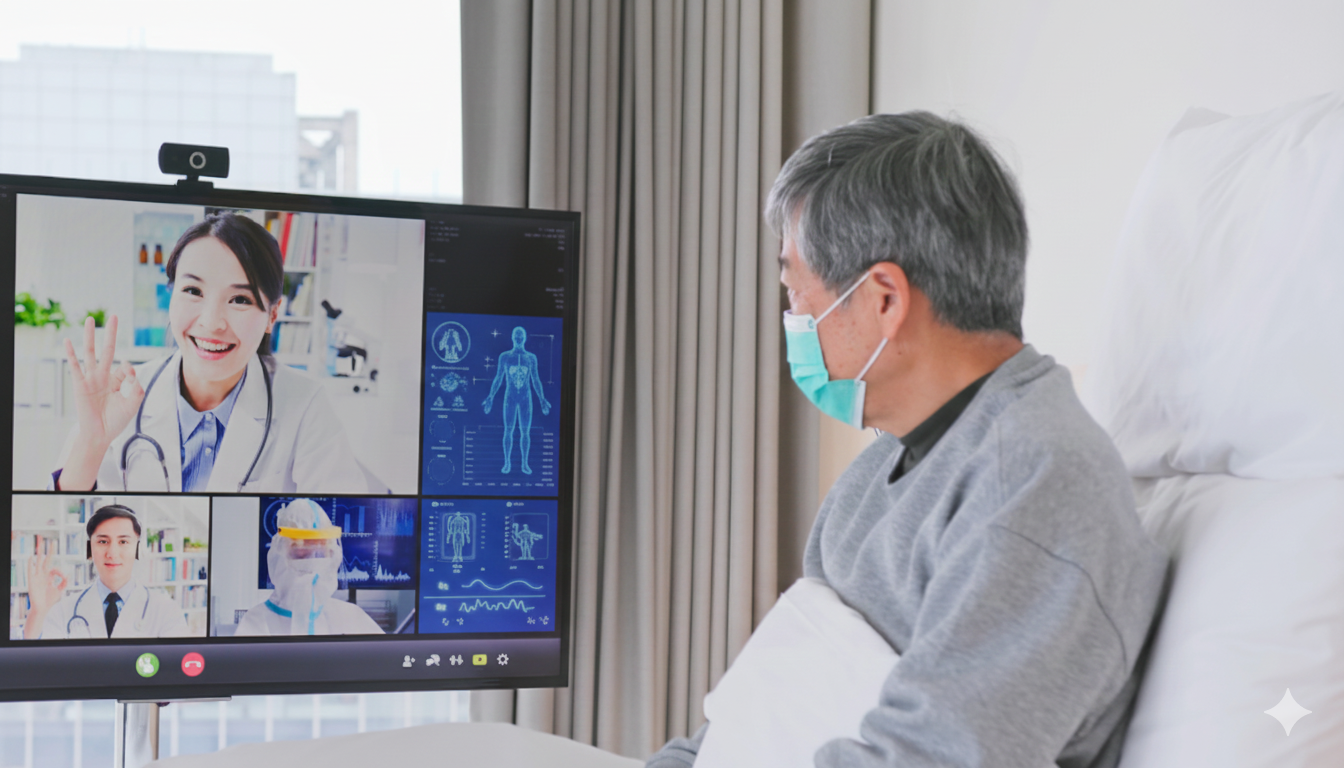

The transformation of healthcare, accelerated by the regulatory flexibility and technological necessity of the past few years, has solidified telemedicine as an indispensable core component of modern delivery. In 2025, virtual care is no longer a stopgap measure; it is a complex, hyper-integrated ecosystem defined by speed, security, and intelligence. The fundamental shift is from reactive, episodic treatment delivered within a clinic’s walls to proactive, continuous care managed from the patient’s home.
This redefinition of patient care rests on three pillars: the seamless integration of virtual consultations, the foundational commitment to secure, asynchronous communication, and the transformative power of AI-driven clinical workflows.
1. Virtual Consultations: A Hybrid Model of Care
Live video conferencing remains the most visible and widely adopted facet of telemedicine, with patient adoption willingness remaining consistently high—over 94% of patients who have had a virtual visit are willing to repeat the experience. Driven largely by unparalleled convenience and reduced travel time, the model for 2025 has moved beyond simple video calls to embrace sophisticated hybrid care.
The expansion of regulatory support is crucial here. Policy adjustments, such as the continued coverage for audio-only telehealth services in certain scenarios by CMS, ensure that care extends to patients in rural areas or those with limited digital literacy. Furthermore, asynchronous communication—where patients share photos, videos, or detailed symptom questionnaires that a provider reviews later—is streamlining the management of chronic conditions, dermatological issues, and routine medication refills.
The result is a more efficient patient journey:
Virtual Triage: Patients use online tools or chatbots to route their concern, ensuring only necessary cases enter the clinic schedule.
Primary Care: Routine check-ins, mental health sessions, and post-operative follow-ups are handled remotely.
In-Person Necessity: When a physical examination is required, the virtual system ensures the in-person visit is efficient, informed by the data already collected virtually.
2. AI-Driven Workflows: Augmenting the Clinician
The rise of generative AI and machine learning is redefining clinical efficiency in 2025. AI is not designed to replace the physician but to augment their capabilities, freeing up valuable time for direct patient interaction. This has led to a palpable reduction in staff burnout across facilities that have successfully integrated these tools.
Administrative Relief and Clinical Documentation
One of the most immediate impacts is the automation of documentation. AI scribes, leveraging voice recognition and Natural Language Processing (NLP), listen to the conversation between the patient and provider during a virtual or in-person visit. They instantly generate a draft of the progress note, pull out relevant diagnoses, and suggest billing codes. This process significantly reduces the administrative burden, allowing physicians to focus entirely on the patient's narrative rather than simultaneously formulating the EHR entry.
Predictive Analytics and Diagnostic Support
Beyond administration, AI is enhancing the precision of virtual care:
Image Analysis: AI algorithms can process medical imaging (X-rays, MRIs, retinal scans for diabetic retinopathy) up to 30 times faster than conventional methods, flagging critical abnormalities and assisting radiologists and pathologists in rapid, accurate diagnosis.
Risk Stratification: Machine learning models analyze historical patient data within the Electronic Health Record (EHR) to generate predictive risk scores for conditions like sepsis or hospital readmission, prompting proactive intervention before a crisis occurs.
3. The Continuous Care Revolution: Remote Patient Monitoring (RPM)
Perhaps the most transformative element of 2025 telemedicine is the integration of wearables and smart sensors with AI-powered Remote Patient Monitoring (RPM) platforms. This ecosystem transforms health management from reactive to predictive.
RPM in action means:
Real-Time Data Streams: Wearable devices, smart scales, continuous glucose monitors (CGMs), and patch monitors continuously collect data on vital signs (ECG, blood pressure, oxygen saturation).
Early Detection: The AI layer analyzes these massive, real-time datasets to identify subtle trends—a gradual increase in weight for a heart failure patient, a concerning pattern in heart rate variability, or a minor decline in A1c levels for a diabetic patient.
Actionable Alerts: When the AI spots an anomaly, it sends an immediate, prioritized alert to the care team, often enabling intervention days before symptoms would have compelled the patient to seek urgent care.
Hospitals implementing these AI-powered RPM systems have reported remarkable clinical outcomes, including a significant 40% reduction in hospital readmissions for certain high-risk chronic conditions. This model is reshaping the management of Congestive Heart Failure (CHF), diabetes, and hypertension, moving the specialist's expertise directly into the patient's home.
The Foundation: Secure Communication and Compliance
None of this innovation is possible without a robust, secure framework. The increasing flow of sensitive health data demands that platforms adhere to stringent global standards like HIPAA (U.S.) and GDPR (Europe).
In 2025, specialized telehealth and secure messaging platforms (like TigerConnect, Klara, and Doxy.me) offer end-to-end encryption for all communications—video, text, and file sharing. These tools ensure that all interactions, whether between a doctor and patient or between two specialists collaborating on a case, are audited, role-based, and completely secure, fostering patient trust in the digital care process.
Telemedicine in 2025 is fundamentally redefining patient care by dissolving geographic barriers, streamlining clinical operations, and transforming data into predictive health outcomes. It is making care more accessible, more efficient, and, most importantly, more proactive.