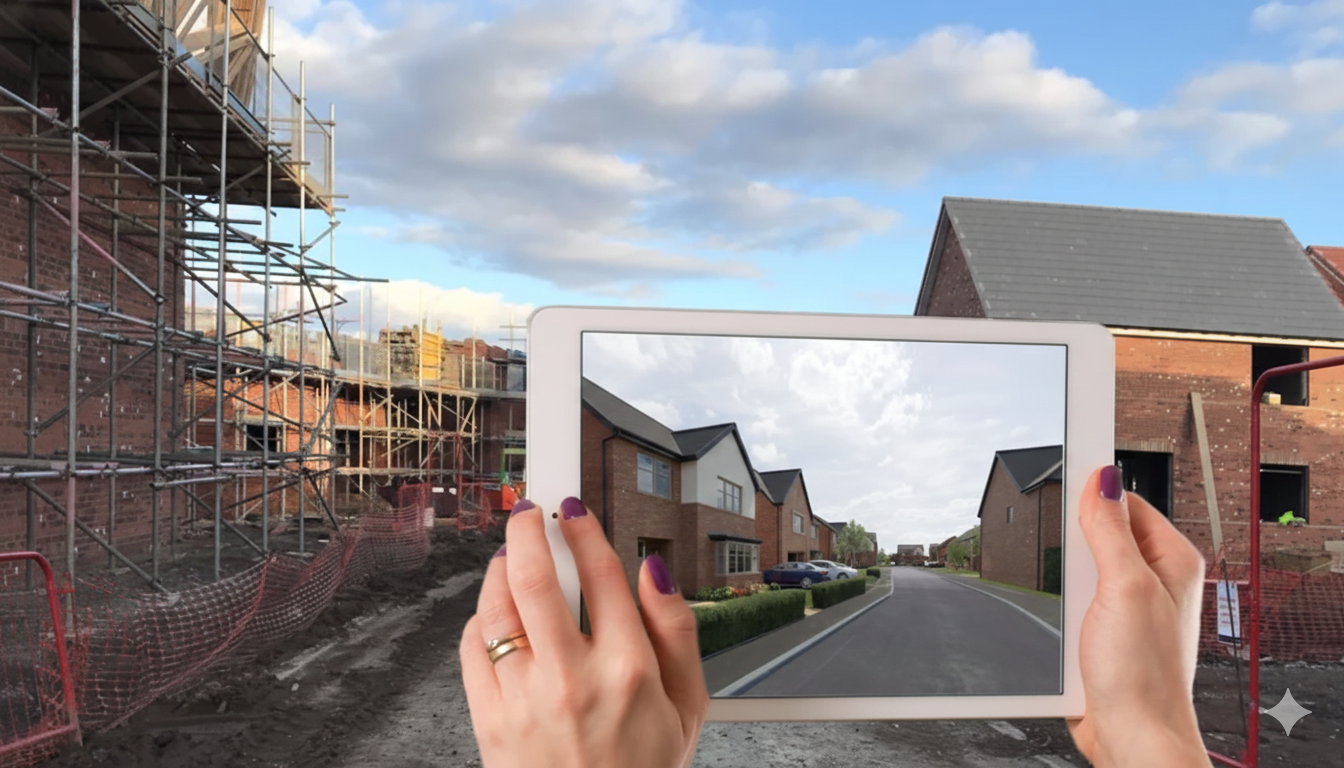


The real estate industry is undergoing a generational shift, driven not by new construction methods, but by the radically heightened expectations of the modern buyer, particularly Millennials and Gen Z. These buyers, who have grown up with e-commerce, instant streaming, and on-demand services, demand a property search and transaction journey that is fast, immersive, and transparent. In 2025, digital transformation, or PropTech, is no longer optional; it is the core strategy for market relevance and closing deals faster.
1. Immersive Viewing: The End of Physical Gatekeeping 🔑
The greatest barrier to an efficient property search—the necessity of physical presence—is being dismantled by immersive technology. Modern buyers often refuse to engage with listings that lack digital viewing options.
Virtual Tours and 3D Modeling: 360-degree virtual tours and 3D floor plans are now baseline expectations. Listings with these features see up to 87% more views, and properties often sell faster and at higher prices. Virtual Reality (VR) and Augmented Reality (AR) take this further by allowing prospective buyers to take remote, interactive walkthroughs from anywhere in the world, reducing the need for costly and time-consuming in-person showings.
Virtual Staging and Customization: Using AR, buyers can hold a phone or tablet up to an empty room and instantly visualize furniture placement, change wall colors, or see renovation possibilities. This capability creates a deeper emotional attachment and speeds up the decision-making process by allowing immediate personalization.
2. Speed and Personalization: The AI-Driven Search 🎯
In a competitive market, successful engagement hinges on delivering the right information to the right buyer at the precise moment they need it. AI is transforming the property search from a broad sweep to a hyper-personalized recommendation engine.
AI-Powered Recommendations: Platforms use machine learning to analyze user browsing habits, saved searches, and local market data (like school ratings and traffic patterns) to provide personalized property suggestions. This goes beyond simple bedroom/bathroom filters, focusing on behavioral patterns that increase the likelihood of conversion. Zillow, for example, has seen user engagement boost by up to 30% through personalized AI recommendations.
Instant Communication: Buyers expect 24/7 responsiveness. Intelligent chatbots integrated into listing websites handle initial inquiries, answer frequently asked questions, schedule showings, and qualify leads instantly. This real-time support meets the buyer's expectation of speed while freeing human agents to focus on high-value interactions.
3. Transparency and Trust: The Blockchain Mandate 📜
The closing process—traditionally a slow, paper-heavy, and opaque affair—is being digitized to meet the demand for efficiency and security. Blockchain technology and Smart Contracts are at the forefront of this final transformation stage.
Automated Transactions with Smart Contracts: Smart contracts are self-executing digital agreements stored on a blockchain. They automatically enforce terms—for instance, transferring payment from an escrow account to the seller only once the property title transfer is automatically recorded on the digital ledger. This automation can reduce transaction closing times by 35% to 50%, minimizing human error, delays, and the need for numerous intermediaries.
Immutable Records: Blockchain provides a tamper-proof, decentralized ledger for recording property ownership, title history, and transaction data. This enhanced transparency increases trust among all stakeholders, simplifies the often-complex process of title verification, and virtually eliminates title fraud.
By prioritizing immersive digital experiences, leveraging AI for instant personalization, and adopting blockchain for transparent, accelerated closings, real estate firms can successfully meet the modern buyer’s demands and secure their competitive position in 2025.