
The electric vehicle (EV) market has proven its technical viability, but its consumer adoption is hindered by one central challenge: the fragmented, confusing, and often unreliable charging experience. Drivers face a "walled garden" ecosystem requiring multiple apps, RFID cards, and different accounts to charge at stations operated by various providers.
In 2025, the industry is overcoming this friction through unified charging ecosystems. These digital platforms are leveraging open communication standards to streamline access, simplify payments, and ensure true interoperability, effectively removing one of the biggest psychological barriers to large-scale EV adoption: range anxiety caused by charging logistics.
1. The Interoperability Solution: Open Standards
True unity across charging networks is achieved through shared digital languages that allow different hardware and software systems to communicate seamlessly, regardless of the manufacturer or network operator.
The Power of Protocols
OCPP (Open Charge Point Protocol): This is the foundation for communications between the charging station hardware and the network management system (CMS). OCPP ensures that a charging station made by one company can be run and managed by the software of another, preventing vendor lock-in.
OCPI (Open Charge Point Interface): This protocol is the key enabler for roaming—the ability for an EV driver to use one account (via their E-Mobility Service Provider, or EMSP) to charge on any connected network (operated by a Charge Point Operator, or CPO). OCPI facilitates the real-time exchange of crucial data:
Charger Status: Real-time availability and location.
Tariff Information: Dynamic pricing and cost structure.
Billing Data: Secure transfer of charging details (CDR) for accurate invoicing.
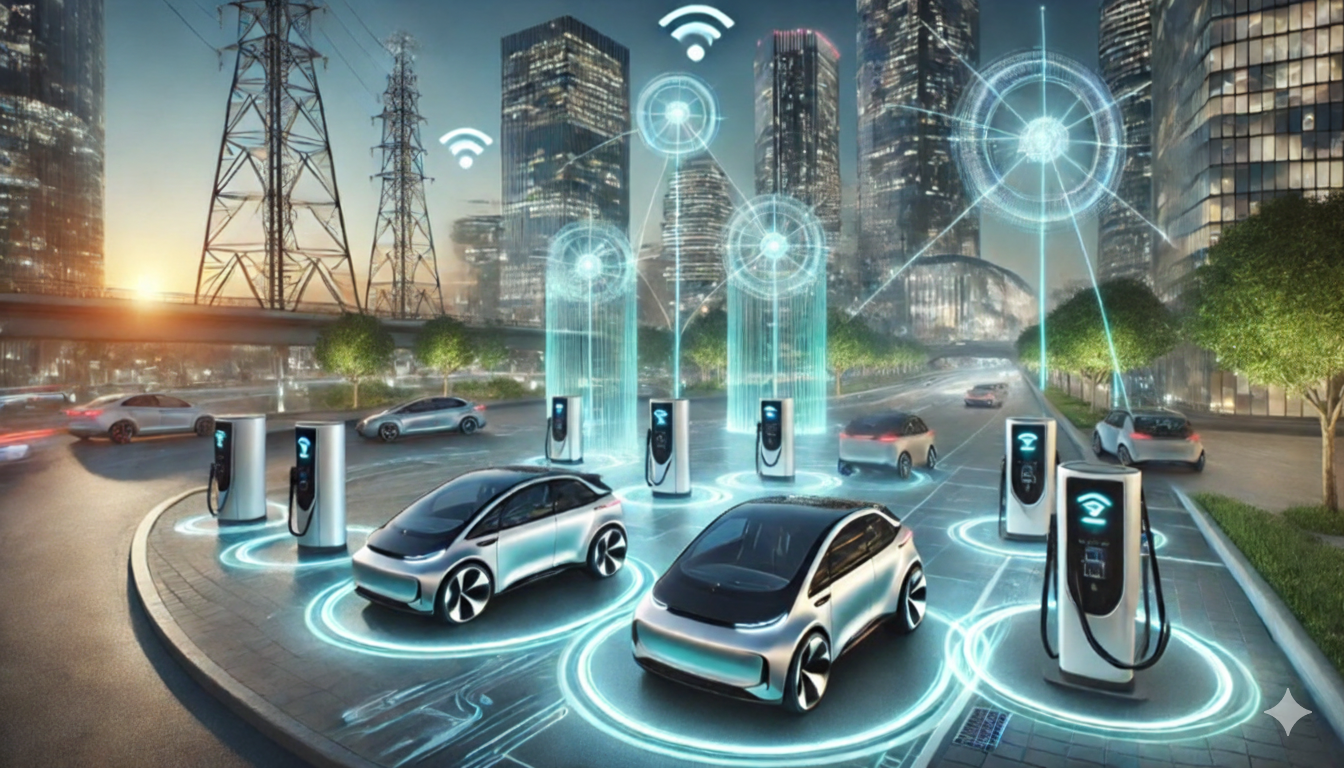
By adhering to these open standards, the charging ecosystem transforms into a single, cohesive network, guaranteeing the EV driver can find a charger, connect, and initiate a session without needing to check network affiliation.
2. Streamlining Payments and Access 💳
The ultimate goal of a unified network is to make the charging payment process as simple as fueling a gasoline car—or even simpler.
The Rise of the E-Mobility Service Provider (EMSP)
EMSPs act as aggregators, serving as a single point of contact for the driver.
Unified Billing: An EMSP app consolidates access to multiple charging networks, allowing the driver to pay for all sessions from all networks using a single account and billing method. This eliminates the clutter of RFID cards and multiple subscription fees.
Plug & Charge (ISO 15118): This is the future of payment and authentication. Vehicles equipped with the ISO 15118 standard communicate directly with the charging station upon plug-in. The car identifies itself securely, the session starts, and the payment is processed automatically and securely without the driver needing an app or card. This seamless experience is expected to significantly boost consumer satisfaction.
Hardware Standardization
While digital protocols unify the software, the industry is also moving toward physical unity. The increasing adoption of a smaller set of connector standards, such as the North American Charging Standard (NACS) in North America and CCS in Europe, reduces the need for cumbersome adapters and further simplifies the physical act of charging.
3. Reliability and Transparency: Building Consumer Trust ✅
A unified digital ecosystem provides real-time data transparency that is critical for managing range anxiety and building consumer trust.
Real-Time Station Data: Through OCPI, driver apps receive precise, verified information on charger availability, power level, and current operational status. This contrasts sharply with early fragmented systems, where apps often showed chargers as "available" when they were broken or occupied.
Integrated Route Planning: Unified networks allow navigation systems in the vehicle and on mobile devices to dynamically plan routes based on charging stops that are guaranteed to be compatible and available, integrating charging logistics into the travel experience instead of making it a separate, stressful chore.
By solving the historical problems of fragmentation and confusing payment methods, unified charging networks are fundamentally addressing the consumer's need for convenience and reliability. This technological unification is the essential bridge to the mass-market adoption of electric vehicles.